Lately it feels like everyone is buying radios. Handhelds sell out, people are stacking cases of food in the garage, and friends who never cared about any of this are texting me to ask what they should get. I understand why. The world feels unsettled in a way that’s hard to put a name on.
Here’s my honest take. I think we’re already in a kind of war. Not the kind with a declaration and a name. It’s drones, cyberattacks, pressure on supply chains, and a constant stream of noise that keeps everybody on edge. Nobody wants to call it World War III, and maybe it isn’t. But it’s something, and people feel it. Wanting to be ready is a reasonable response.
I’m a veteran, and I’ve spent more than twenty years in federal IT keeping systems running. If both taught me one thing, it’s that the gear is the easy part.
A radio in a drawer isn’t a plan
The most common thing I see goes like this. Someone buys a cheap handheld, puts it in a drawer, and figures they’re covered. Then the day comes, and the battery is dead, it’s on the wrong frequency, they don’t know who to call, and they’ve never once pressed the button.
If you’re going to buy a radio, here’s what I’d do:
- Get licensed. The ham Technician exam isn’t hard, and the license is what lets you practice now, legally, instead of learning on the worst day. If you just want your family talking to each other, look at GMRS. One license covers the household, and there’s no exam.
- Use it. Check into a local net every week. Find your club. Learn which repeaters are near you and what happens to them when the power goes out.
- Know its limits. A handheld is a short-range tool. Getting out of a valley or across a city takes better antennas, more height, or HF. Learn that before you need it.
- Plan for power. Spare batteries, a way to charge them, and a plan for when the grid is down matter as much as the radio.
- Write it down. Frequencies, callsigns, and who you’ll try to reach, on paper. Phones die.
Same goes for stocking up
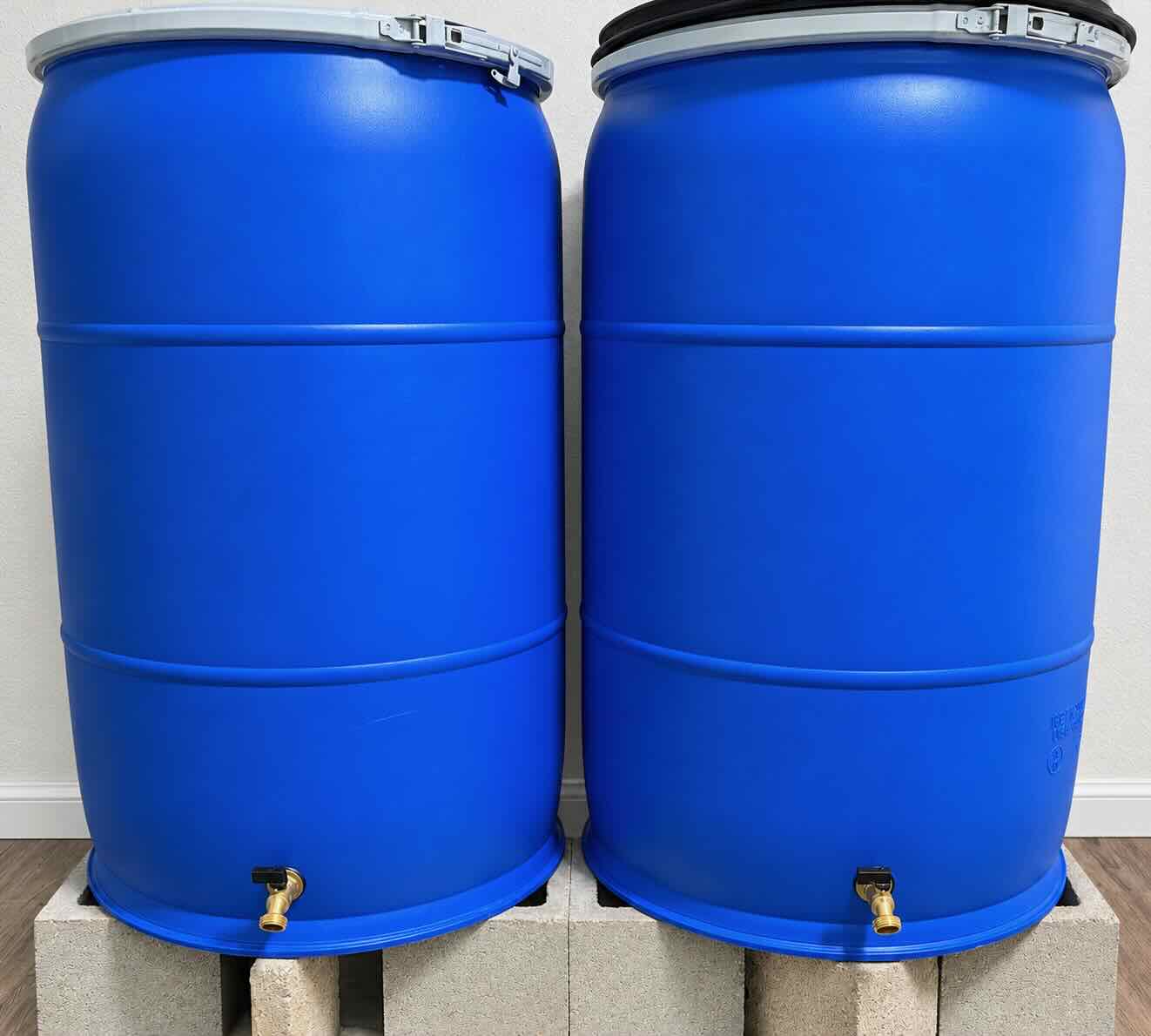
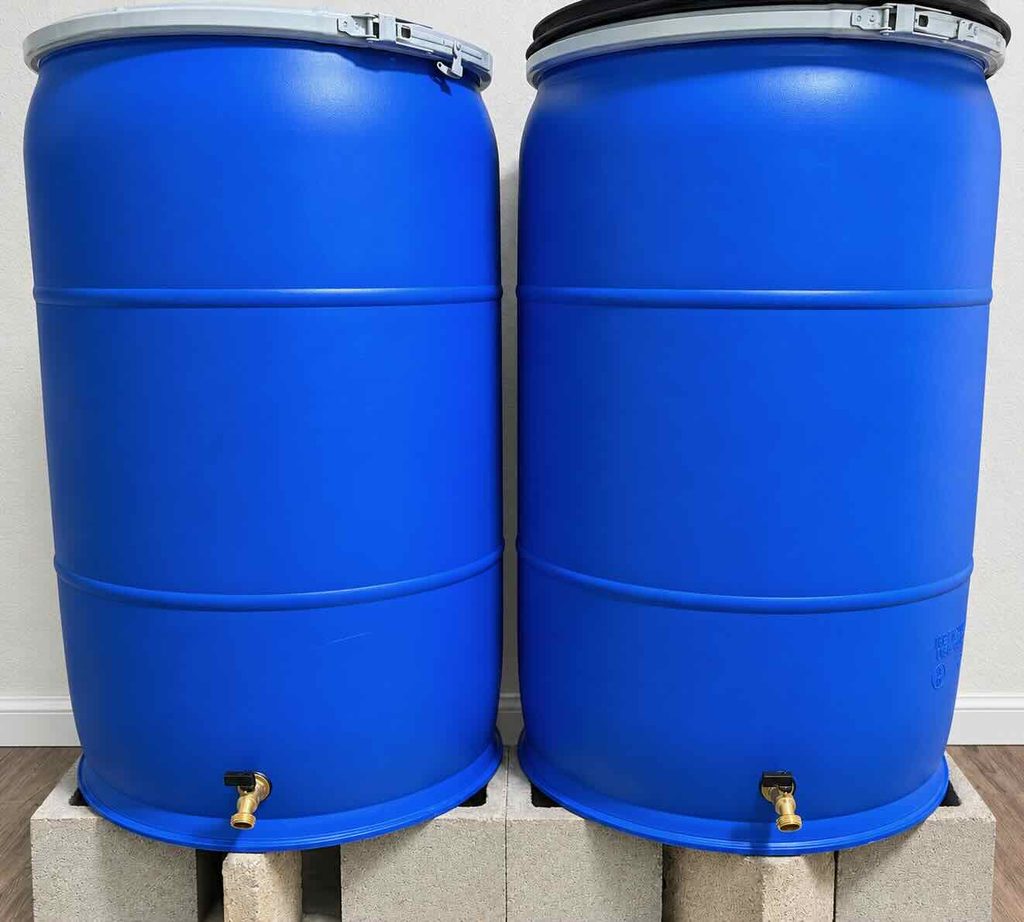
Buy what you’ll actually use, and rotate it. Water first. It’s the thing people forget and the thing you can’t go without. Then food you already eat, so it gets used instead of expiring in the back of a closet. A mountain of supplies bought in a panic is mostly money you won’t see again.
Calm beats fast
I’m not telling anyone not to prepare. I think you should. Just do it calmly, learn the things you buy, and get to know your neighbors. In most emergencies, the person who helps you is the one who lives next door. A radio helps you reach people. It doesn’t replace knowing them.
If you’re in the Denver area and want help getting started, reach out. I’m happy to point you to a club or a license class.
73,
Johnny, W5KV