W5KV

Portable radio, builds, and field notes

Latest Posts

  • My Repeater Now Has Its Own Live Page

    My Repeater Now Has Its Own Live Page

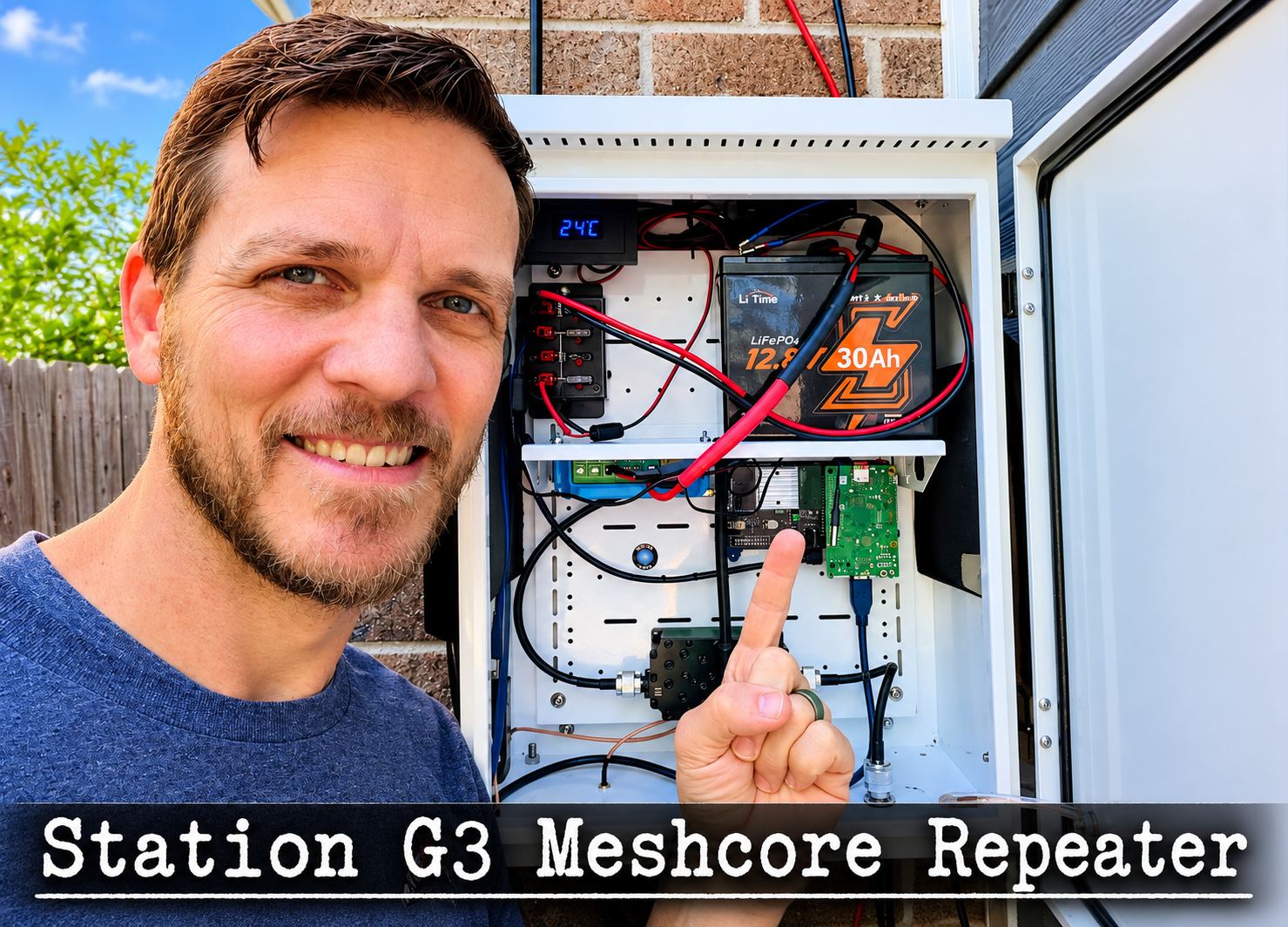
    If you click Repeater in the menu up top, you’ll find a live status page for my MeshCore repeater: noise floor, how many packets it heard in the last 24 hours, what it passed on, who it can hear, and how busy the channel is. It refreshes itself every five minutes, straight from the Pi.

    See the live page here.

    Why bother

    openHop already has a great dashboard, but it lives on my home network, and I’m not opening my repeater’s control panel to the whole internet. Screenshots go stale the minute you take them. I wanted something anyone could look at, that stays current, and that can’t touch the repeater itself.

    How it works

    • On the Pi: a small script reads openHop’s own API every five minutes and builds a snapshot of the numbers.
    • To the website: it sends that snapshot out to w5kv.com with a secret key. Anything without the key gets turned away.
    • On WordPress: a small custom plugin stores the latest snapshot and draws the page: the cards, the charts, and the neighbor table.

    Nothing on my home network accepts a connection from the outside. The Pi only ever talks outward. If it reboots or loses power, it picks right back up on its own, and the badge at the top of the page turns yellow, then red, if it ever stops reporting.

    What I left out on purpose

    openHop’s main stats feed includes a lot more than you’d guess: the repeater’s GPS position, the locations of other people’s nodes, public keys, and MQTT settings. So the script works from a short approved list of fields, and everything else stays on the Pi. No map, no coordinates. A mesh name can also be anything, including code, so every neighbor name shows up as plain text.

    Where it got interesting

    The first step was digging through openHop’s source code to find its API, then testing everything against a fake openHop before anything touched my Pi. The test version looked perfect. Then real data showed up and turned up some surprises:

    • 87 million packets. On my openHop version, packet type counts come back as running totals, not daily counts. The script now uses plain 24-hour counts.
    • 50 packets in the last hour. The real number was over 900. openHop’s last-hour figure comes from a short list in memory that tops out around 50. Now it’s counted properly.
    • 44% airtime. That one didn’t smell right. Our network usually sits around 1 to 3%. Turns out the number was real but measured something else: how much of the repeater’s transmit budget it used in the last minute, not how much of the time it’s on the air. The page now shows how busy the channel was over the whole day, and how much of that was my repeater transmitting. Mine comes in around 1.6%.

    That last one is the lesson I’d pass along. Code can run perfectly and still show you the wrong thing. It takes somebody who knows what the numbers should look like to say “that’s not right.”

    See the whole network on BEACON

    This same repeater is also an observer on BEACON, the Colorado Mesh Group’s online analyzer. Observers send a copy of every packet they hear to a shared server, and BEACON combines dozens of them across Colorado to show which nodes are active, the paths messages take, and what the channel looks like at each site. My page shows what my repeater hears. BEACON shows the whole network.

    Want to build one yourself? The full code (the Pi script, the installer, and the WordPress plugin) is at the bottom of the Repeater page. Click the little terminal icon to open it.

    73,
    Johnny, W5KV
  • Everyone’s Buying Radios. Here’s What I’d Tell Them.

    Everyone’s Buying Radios. Here’s What I’d Tell Them.

    Lately it feels like everyone is buying radios. Handhelds sell out, people are stacking cases of food in the garage, and friends who never cared about any of this are texting me to ask what they should get. I understand why. The world feels unsettled in a way that’s hard to put a name on.

    Here’s my honest take. I think we’re already in a kind of war. Not the kind with a declaration and a name. It’s drones, cyberattacks, pressure on supply chains, and a constant stream of noise that keeps everybody on edge. Nobody wants to call it World War III, and maybe it isn’t. But it’s something, and people feel it. Wanting to be ready is a reasonable response.

    I’m a veteran, and I’ve spent more than twenty years in federal IT keeping systems running. If both taught me one thing, it’s that the gear is the easy part.

    A radio in a drawer isn’t a plan

    The most common thing I see goes like this. Someone buys a cheap handheld, puts it in a drawer, and figures they’re covered. Then the day comes, and the battery is dead, it’s on the wrong frequency, they don’t know who to call, and they’ve never once pressed the button.

    If you’re going to buy a radio, here’s what I’d do:

    • Get licensed. The ham Technician exam isn’t hard, and the license is what lets you practice now, legally, instead of learning on the worst day. If you just want your family talking to each other, look at GMRS. One license covers the household, and there’s no exam.
    • Use it. Check into a local net every week. Find your club. Learn which repeaters are near you and what happens to them when the power goes out.
    • Know its limits. A handheld is a short-range tool. Getting out of a valley or across a city takes better antennas, more height, or HF. Learn that before you need it.
    • Plan for power. Spare batteries, a way to charge them, and a plan for when the grid is down matter as much as the radio.
    • Write it down. Frequencies, callsigns, and who you’ll try to reach, on paper. Phones die.

    Same goes for stocking up

    Buy what you’ll actually use, and rotate it. Water first. It’s the thing people forget and the thing you can’t go without. Then food you already eat, so it gets used instead of expiring in the back of a closet. A mountain of supplies bought in a panic is mostly money you won’t see again.

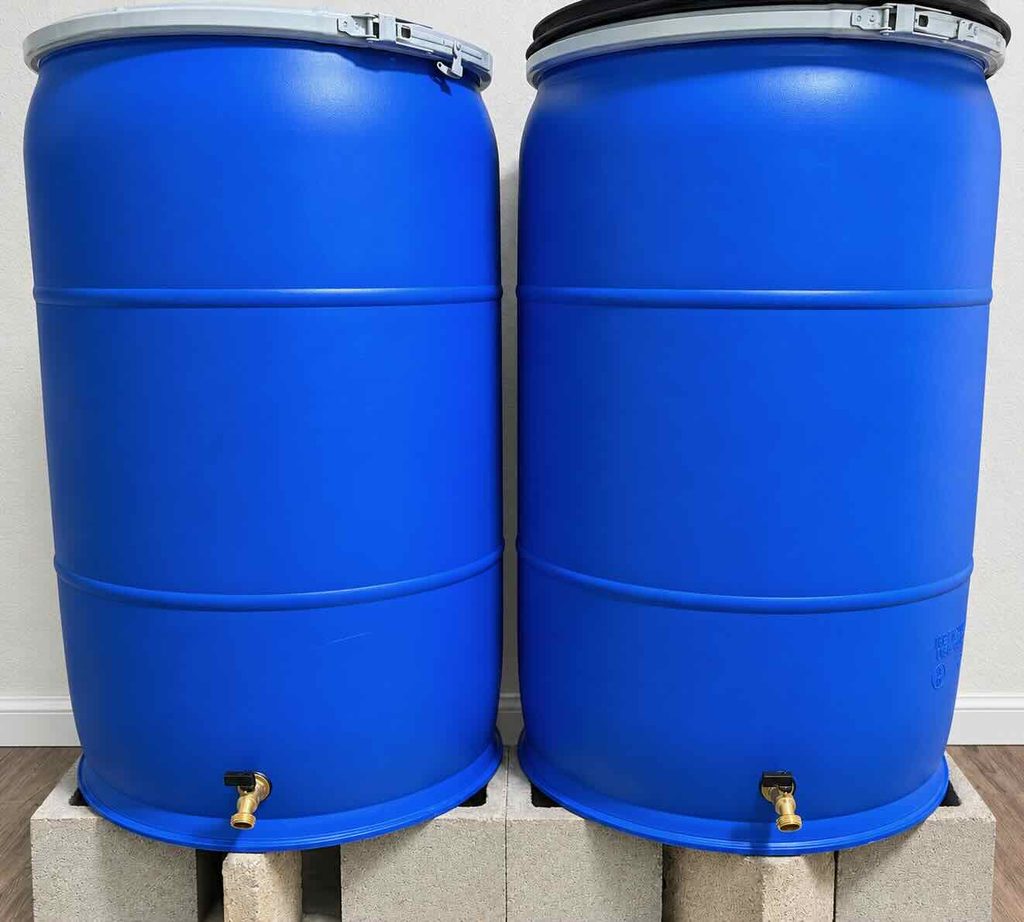
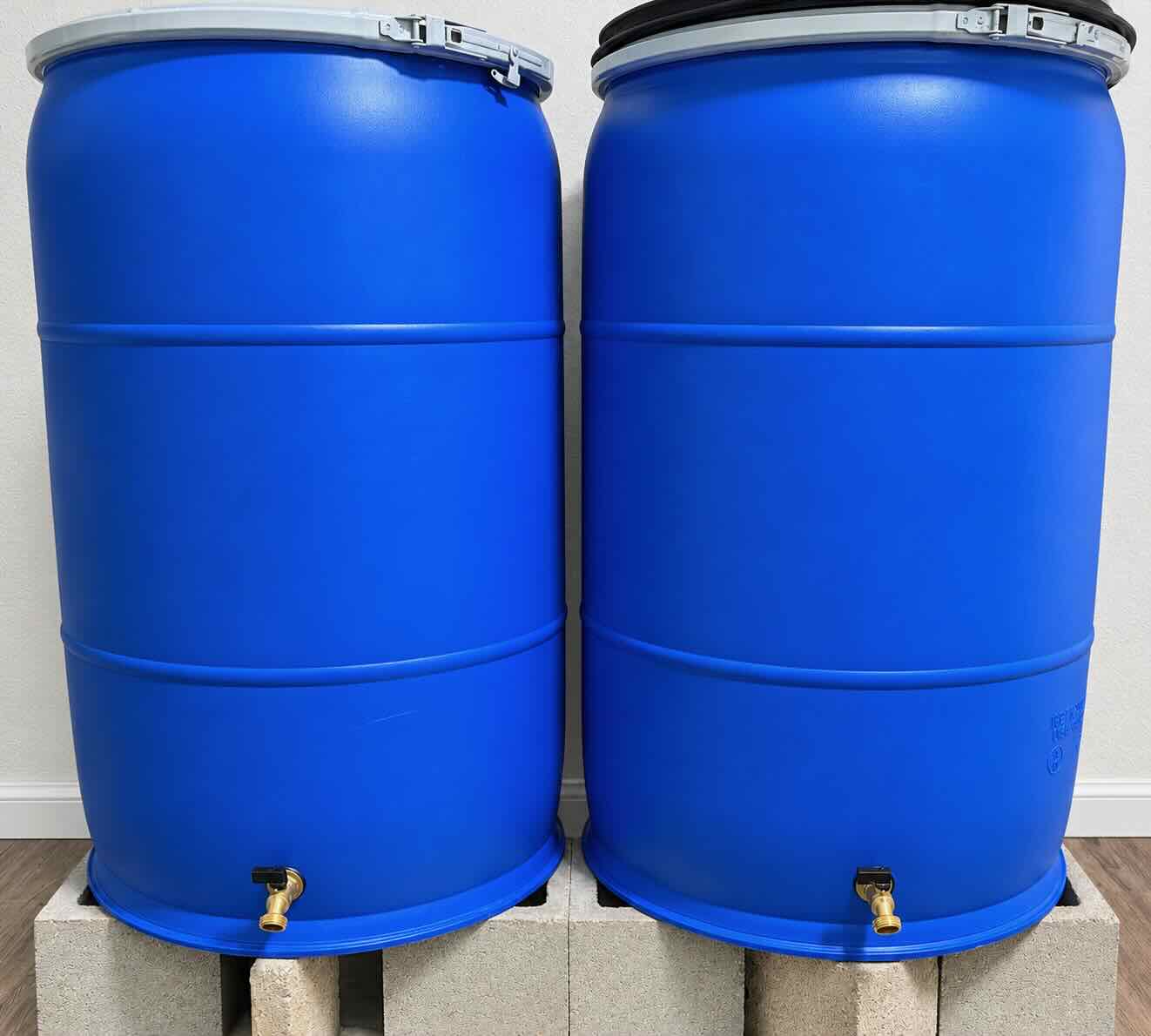
    110 gallons of fresh water in two food-grade barrels. I rotate it out about every six months.

    Calm beats fast

    I’m not telling anyone not to prepare. I think you should. Just do it calmly, learn the things you buy, and get to know your neighbors. In most emergencies, the person who helps you is the one who lives next door. A radio helps you reach people. It doesn’t replace knowing them.

    If you’re in the Denver area and want help getting started, reach out. I’m happy to point you to a club or a license class.

    73,
    Johnny, W5KV

Oh hi there 👋
It’s nice to meet you.

Sign up to receive awesome content in your inbox, every month.

We don’t spam! Read our privacy policy for more info.